
2026 Agenda
-
July 15, 2026
Wednesday
-
July 16, 2026
Thursday
-
5:00 PM-7:00 PM
Welcome Reception
WhereKindling: 202 S Franklin St. Chicago, IL. 60601
-
8:00 AM-4:30 PM
Registration
-
6:30 AM-8:30 AM
Sponsor Set-Up
Where2nd Floor Foyer
-
8:00 AM-9:00 AM
Breakfast
WhereNourish Foyer
-
WhereForum
-



 9:05 AM-9:35 AM
AI in SUD Treatment: The Hype, The Reality And What’s Working in 2026 Presented by Supa
Featuring Melissa Reilly Founder, STLTH CNSLTNG, Yitzy Halon CEO, Mainspring Recovery, Chris Pedersen Executive Vice President, Evolve LifeCenters, Sam T Founder & CEO, Supa

A candid conversation across three vantage points, practice owners, a payer-side strategist, and an AI builder. We'll dig into the pressure practices feel today, the financial squeeze across the industry, and what payers are doing with AI on the other side of the table. From there we get practical: which AI use cases are actually working on the ground, how to evaluate vendors when every pitch sounds the same and what separates tools that stick from tools that get abandoned, and finally the jobs question, what AI really means for the people doing this work today.
WhereForum
-



 9:40 AM-10:25 AM
SUD Market Outlook: Payer Strategy, Growth and Innovation
Featuring Charika Wilcox-Lee Vice President of Revenue Cycle Management and Payer Strategy, Bicycle Health, Andy Kelly Chief Commercial Officer, Boulder Care, Dr. Dheeraj Raina Managing Medical Director, Carelon Behavioral Health, Eric Arzubi CEO and Co-Founder, Frontier Psychiatry
The SUD market is at an inflection point as payers face growing pressure to expand coverage and improve outcomes amid rising addiction rates nationwide. At the same time, workforce challenges, shrinking margins and policy changes are creating persistent headwinds for operators. In this opening panel, C-suite provider executives and other leaders will set the stage for the SUD Business Summit while exploring the future of the industry.
WhereForum
-
10:25 AM-10:55 AM
Networking Break
Take a breather between sessions to mingle with fellow attendees, exchange ideas, and build relationships with professionals shaping the future of the SUD industry.
-


 10:55-11:25 AMOption 1
AI and the Patient Journey: Transforming Access, Engagement, and the Metrics That Matter Most Presented by: Anonymous Health
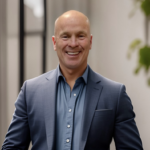
Featuring Geoff Nudd CEO & Founder, Anonymous Health, Bob Poznanovich Founder & Principal Advisor, Poznanovich.Health, Dr. David Gomel CEO, Rosecrance

Running a behavioral health organization means operating under relentless pressure — to get more people into care, keep them engaged, and sustain the financial health that makes the mission possible. Most providers are still managing all of it on instinct, experience, and incomplete data.AI is changing that. Not just at the front door, but across the entire patient journey. From helping more people reach care to keeping them engaged longer, to giving leadership the visibility they need to act on the metrics that matter most — AI is emerging as a core operating tool for providers who want to grow their impact without losing financial ground.
In this session, panelists will share insights and perspectives on deploying AI across the behavioral health care continuum. Together, they'll explore what's working in practice, where AI is moving the needle on access and engagement, and how it's reshaping the relationship between clinical mission and business outcomes.
WhereForum
-


 10:55 AM-11:25 AMOption 2
Revenue at Risk: The Intersection of Compliance, Operations, and Financial Performance in Behavioral Health Presented by SimiTree
Featuring Drew McCartney Executive Vice President of Behavioral Health, SimiTree, Takeshia Dozier Senior Director, Behavioral Health Finance & Operations, SimiTree, Scott McKinney SVP of Behavioral Health RCM, SimiTree

As payer scrutiny increases and reimbursement becomes more complex, behavioral health organizations must rethink how compliance, operations, and revenue cycle work together. This panel explores practical strategies to reduce revenue leakage, strengthen compliance, improve operational performance, and build a more financially resilient organization.WhereHub 1
-
 10:55 AM-11:25 AMOption 3
How Smart SUD Operators Turn Regulatory Burden and Compliance Into a Growth Engine Presented by: Charta Health
Featuring Rob Marsh CEO, Bradford Health

For operators navigating razor-thin margins and rising regulatory complexity, compliance can feel like an endless cost center. But it doesn't have to be. As payers deploy AI to deny claims faster and more aggressively, forward-thinking organizations are flipping the script by using technology to turn compliance infrastructure into a strategic asset. This session explores how to reduce denial exposure before it hits the P&L, why documentation quality is increasingly the difference between getting paid and getting clawed back, and how operators who get this right are building a competitive moat that's hard to replicate.
WhereHub 2
-
 11:30 AM-12:00 PMOption 1
SUD Policy and Advocacy Briefing
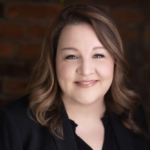
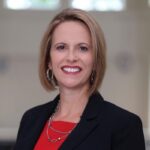
Featuring Maeghan Gilmore Vice-President of Government Affairs at The Association for Behavioral Health and Wellness (ABHW), Karen Wolownik Albert CEO of Recovery Centers of America at St. Charles, Charles Roozen General Counsel, Compass Health Center
As federal and state policymakers intensify focus on the addiction crisis, the SUD policy landscape is rapidly evolving. Key developments include strengthened parity enforcement, expanded Medicaid access to MAT, and ongoing debates around harm reduction, telehealth flexibilities, and criminal justice reform.
WhereForum
-

 11:30 AM-12:00 PMOption 2
Development Download: Why SUD De Novos, Expansion Projects Stall
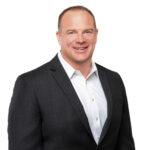
Featuring Abigail Stoll Owner and Founder, Restaura Behavioral Health, Anthony Kilgore CEO, BHG Recovery, Doug Leech CEO, Ascension Recovery Services
As demand for addiction treatment services grows, many expansion efforts face costly delays despite strong need and investment. This panel unpacks the operational, regulatory and workforce barriers slowing projects and dives into actionable strategies to align funding timelines, accreditation, and construction realities with community demand.
WhereHub 1
-


 11:30 AM-12:00 PMOption 3
Emerging Addictions and Service Lines: From Digital Detox to Gambling
Featuring David Newton Co-Founder & General Manager, SunCloud Health, Jaime Vinck President, Meadows Behavioral Health, Andrew DiGiacomo SVP of Strategy, Birches Health
As the definition of addiction broadens beyond substance use, emerging behavioral addictions – including problematic social media use, gaming disorders, and the surge in gambling driven by sports betting legalization – are gaining urgent attention from clinicians, policymakers, and payers alike. This panel will explore how to adapt existing SUD frameworks, treatment models and coverage policies to address these new frontiers.
WhereHub 3
-
12:00 PM-1:00 PM
Lunch
Refuel and recharge with executives and innovators in the SUD industry by enjoying lunch, where meaningful introductions and collaborative conversations are always on the menu.
WhereNourish Foyer
-
12:00 PM-1:00 PM
BHB+ Lunch
BHB+ members are invited to join a collaborative discussion on the evolving landscape of the SUD industry over an exclusive networking lunch.
WhereStudio
-


 1:00 PM-1:40 PM
The SUD M&A Reset: Smaller Deals, Smarter Buyers, Slower Rollups
Featuring Chuck Steiner Chief Development Officer, Bradford Health Services, Danish Munir Founding Partner, GreyMatter Capital, Pete Tedesco Pete Tedesco; Managing Director, Avesi Partners
After years of aggressive consolidation, the SUD market is entering a new M&A era defined by caution and strategic precision. This discussion explores how shifting valuations, payer pressures and operational risks are reshaping deal flow, highlighting why investors are favoring quality over quantity and how providers can stay competitive in a slower, smarter rollup environment.
WhereForum
-
 1:45 PM-2:15 PMOption 1
Turning Data into Better Decisions Presented by Netsmart
Featuring Rob Warner National Strategist, Human Services, Netsmart

Behavioral health and addiction treatment organizations have no shortage of data, but many leaders still struggle to translate that information into better business and clinical decisions. The organizations that will thrive over the next decade won't be those collecting the most data. They'll be the ones using it to identify risk sooner, improve outcomes, optimize operations and drive sustainable growth.
This session will explore how executive leaders are leveraging near real-time dashboards, predictive analytics and operational insights to answer critical questions: Which patients are at greatest risk of disengaging from treatment? Which programs are producing the strongest outcomes? Where are staffing, capacity, referral patterns and financial performance creating opportunities or risks for the organization?
We'll also examine how connecting data across providers, payers and community partners creates a more complete view of each individual, strengthens care coordination and positions organizations for value-based care.
Attendees will leave with practical strategies for building a data-driven organization that improves outcomes, increases operational efficiency, strengthens financial performance and gives leadership the confidence to make faster, more informed decisions.WhereForum
-


 1:45 PM-2:15
Lost in the Gaps: Retention, Recovery, and the Moments Between Appointments Presented by: Chess Health
Featuring Steve Carleton Chief Clinical Officer at Porchlight Health, Hans Morefield CEO, CHESS Health, Michelle Dubey Vice President of Clinical Quality & Outcomes at BayMark Health Services
The data is clear on when patients leave SUD treatment — and it's rarely during a session. It's in the 160+ hours between weekly appointments, during transitions between levels of care, and in high-risk moments when no clinician is available and no peer is within reach. This panel brings together providers to examine where those gaps occur, what contingency management and digital engagement strategies are doing to fill them, and what closing the gap actually returns in both clinical outcomes and program revenue.
WhereHub 1
-

 1:45 PM-2:15 PMOption 3
Vital Signs: What Your Revenue Cycle Is Telling You About Financial Health Presented by Joyful Health
Featuring Eric Kaufmann Head of Strategy & Operations, Manatee, Becky Carlson Head of RCM, Joyful Health

Everyone tracks denials and aging A/R, but those metrics only tell part of the story. By the time revenue appears on an A/R report, the events that put it at risk have often been unfolding for weeks or the opportunity to collect was lost before a claim was ever submitted. This session explores the hidden revenue leaks that occur throughout the revenue cycle, from eligibility and prior authorization to documentation, enrollment, claim submission, and underpayments. Attendees will leave with insight into identifying issues earlier, preventing avoidable revenue loss, and shifting from reacting to financial problems to preventing them.
WhereHub 2
-
2:15 PM-3:20 PM
Networking Break
Take a breather between sessions to mingle with fellow attendees, exchange ideas, and build relationships with professionals shaping the future of the SUD industry.
-
 3:20 PM-3:50 PMOption 1
Bridging the Gap Between Clinical Care and Criminal Justice
Featuring Jeremy Hubbard Owner, Liminal Justice Consulting, Dr. Ayesha Appa Senior Vice President and Head of Medical Affairs, Boulder Care
The intersection of SUD and the criminal justice system represents one of the most complex and underserved challenges in behavioral health, with a disproportionate share of individuals cycling through incarceration without access to evidence-based treatment. Momentum is growing around diversion programs, drug courts, and re-entry support models that prioritize treatment over punishment. This panel will explore this trend and what it means for the industry.
-


 3:20 PM-3:50 PMOption 2
Changing Business Models in SUD – What’s Actually Making Money?
Featuring Jonathan Hunt-Glassman CEO, Oar Health, Dr. Ryan Wade Director of Addiction Services, Silver Hill Hospital, Clayton Mobley Co-CEO, Recover Now
As payment models, workforce costs, and patient acuity evolve, not every SUD treatment approach is proving financially sustainable. This panel dives into which business models – and service lines – are truly driving margins from value-based care and outpatient hybrids to tech-enabled recovery supports.
-
 4:00 PM-4:30 PM
Closing Town Hall
Featuring Jaime Vinck President, Meadows Behavioral Health, Michael Garafalo Director of Behavioral Health Operations, Fallon Health, Dr. David Gomel CEO, Rosecrance
Join us for an interactive Town Hall session where addiction care leaders take a candid look at the current state of the SUD treatment landscape. This is your chance to get any questions answered as we close the event.